
Novelvio - Read & Earn
Feel Refreshed Studio LimitedEntertainment
4.531.00 Reviews
- Version
- 1.3.3
- Installs
- 50.00K
- Age Rating
- Teen
Screenshots


Our Review of Novelvio - Read & Earn
 Analysis by Appyee
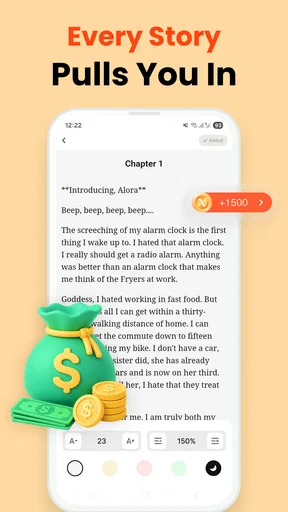
I approached Novelvio - Read & Earn as someone looking for a more active way to spend spare minutes with fiction. It belongs to the entertainment category, but it is not simply a shelf for digital books. Its central idea is to combine popular novels with tasks and rewards, turning reading into something that feels a little more interactive. That combination is appealing, although it also means the app is best judged by more than the quality of its stories.
My first impression is that Novelvio makes the most sense for readers who enjoy discovering serialized fiction and like having a small goal attached to their screen time. If you only want the calmest possible reading experience, a dedicated ebook reader may suit you better. If you enjoy progress systems and do not mind completing activities around your reading, this app offers a more engaging alternative. The important question is not whether rewards sound attractive, but whether the reading experience itself keeps you coming back.
How I would decide whether Novelvio fits my reading habits
I would begin with three practical questions. First, do I prefer browsing a changing selection of popular novels instead of buying or loading specific books? Second, am I comfortable treating reading as part of a wider app routine, with tasks alongside the stories? Third, do I want entertainment that can fill short gaps in the day rather than a completely distraction-free reading session?
Those questions matter because Novelvio is not aimed at exactly the same person as a traditional ebook library. A conventional reader usually puts the book first and keeps everything else out of the way. This app places reading inside a reward-oriented environment. That can make opening it easier when I am tired or undecided, but it can also pull my attention away from the story.
The app is free, which lowers the barrier to trying it. I would still approach the rewards as an extra reason to participate rather than as the main value. Any reward-based reading service needs a user who enjoys the process, because chasing an incentive becomes frustrating if the available novels do not match personal taste. The strongest decision criterion is therefore simple: choose Novelvio for the combination of fiction and activity, not for the promise of effortless rewards.
Its audience also deserves attention. The content rating is Teen, so I would not treat it as a children’s reading app. A teenager or adult who enjoys popular fiction may find the format comfortable, while parents looking for a tightly controlled reading environment should make their own suitability check before handing it over. The rating gives useful context, but personal taste and maturity still matter when browsing novels.
The reading experience is designed for short, repeat visits
I found the concept most convincing in small pockets of time: waiting for an appointment, taking a break between chores, or winding down before sleep. In those moments, opening a long ebook can feel like too much commitment, while a task-based reading app gives me an obvious starting point. I can browse, choose a story, read for a while, and leave without needing to plan a full reading session.
This workflow is particularly useful for people who struggle to maintain a reading habit. The task element creates a gentle prompt to return, and the reward structure gives each visit a sense of completion. That does not replace genuine interest in the novel, but it can help overcome the familiar problem of spending a break scrolling through unrelated feeds instead of reading anything.
There is also a subtle trade-off here. Short sessions make the app approachable, but serialized or episodic fiction can feel less satisfying if I constantly stop at small intervals. Readers who like becoming fully absorbed in a book may prefer an app that remembers the story and stays out of the way. Novelvio is more naturally suited to frequent check-ins than to long, uninterrupted reading marathons.
Where the reward layer genuinely helps
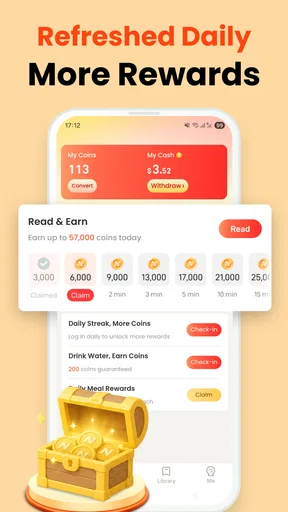
The reward structure gives reading a clearer sense of progress than a plain catalog does. Instead of opening the app only when I already know what I want to read, I have a reason to explore and complete tasks. That is a useful distinction for readers who enjoy collecting progress, finishing small objectives, or turning entertainment into a routine.
One practical tip is to choose a novel before focusing on the task side. I would first ask whether the story has enough appeal to sustain several visits. If I reverse that order and select activities only because they look easy, I may end up spending time in a book I do not actually enjoy. The reward should support the reading decision, not replace it.
Another useful approach is to treat tasks as a pacing tool. On a busy day, I might use a small task to get started, read a manageable amount, and stop before the session becomes tiring. On a quieter day, I could ignore the incentive and simply continue with the story. This flexible mindset prevents the reward system from turning a relaxing activity into another obligation.
I would also keep expectations realistic about motivation. Rewards can help establish a habit, but they cannot fix a poor match between the reader and the available novels. If I repeatedly open the app, complete an activity, and leave without caring about the fiction, that is a sign to switch to a normal reading service rather than push harder.
What makes Novelvio different from ordinary entertainment apps
Many entertainment apps are built around passive consumption. I open them, watch or browse, and move on. Novelvio asks for a more deliberate kind of attention. Reading requires following characters, remembering details, and making time for the story, while the task layer adds a small amount of participation around it.
That difference gives the app a clearer identity than a generic entertainment feed. It is not trying to compete with every kind of media at once. Its appeal comes from combining the slower satisfaction of fiction with the immediate feedback of app-based objectives. For someone who wants to read more but is easily distracted by faster content, that middle ground can be valuable.
At the same time, I would not call it a replacement for a serious digital library. Readers who have carefully organized collections, prefer specific authors, or rely on advanced reading controls may find a specialist ebook app more dependable. Novelvio’s strength is discovery and participation, not necessarily the deep ownership feeling that comes from building a personal shelf.
Who benefits most from the format
I would recommend trying it to casual fiction readers, people rebuilding a reading habit, and users who like reward-based routines. It can also suit someone who wants a reason to put down short-form social content and spend those minutes with a novel instead. The free entry point makes experimentation easy, so there is little need to decide in the abstract.
A realistic example would be a commuter with several short waits during the day. Rather than opening different apps each time, that person could use Novelvio to return to one story, complete a related activity, and build a repeatable reading pattern. The experience is not about finishing a book in one sitting; it is about making small reading sessions easier to start.
I would be more cautious about recommending it to a reader who already has a strong, uninterrupted reading routine. If that person owns the books they want, dislikes gamified prompts, or finds tasks distracting, the extra layer may feel like friction. The same is true for anyone seeking a quiet bedtime reader with no incentive mechanics competing for attention.
Where other categories of apps may fit better
The usual alternative is a dedicated ebook app. That category is the better choice when I already know which books I want, care about a clean reading interface, or want my library to remain the main focus. It generally makes more sense for long sessions and deliberate reading projects. Novelvio is stronger when discovery, routine, and participation matter as much as the text itself.
A second alternative is a subscription-based reading service. Such services may appeal to readers who value access to a broad catalog and are willing to organize their reading around a recurring membership. Novelvio is easier to try because it is free, but readers who want a particular commercial release or a carefully curated collection may prefer the predictability of a service built around catalog access.
There is also the category of serialized fiction platforms. These are closer to Novelvio because they encourage returning to ongoing stories. The deciding factor is whether I want the reward layer. If I enjoy checking progress and completing tasks, Novelvio has a distinctive reason to return. If I only want the next chapter with no surrounding activity, a simpler fiction platform may feel more direct.
Finally, audiobook apps may be better for people who read while walking, driving, cooking, or doing repetitive work. Novelvio requires attention to written fiction, so it cannot fill the same role. I would not choose it as a substitute for audio entertainment; I would choose it for moments when I can actually look at the screen and follow the text.
Small frictions I would consider before committing
The biggest possible friction is divided attention. Tasks and rewards can make an app feel lively, but they can also interrupt the emotional flow of a novel. When I am deeply invested in a scene, being encouraged to think about another objective may weaken the experience. Readers who are sensitive to interruptions should test the app with a story before making it their main reading home.
Discovery can be both a strength and a limitation. A selection of popular novels is useful when I want suggestions, but it may not satisfy a reader with a narrow taste. Someone who reads only one genre, follows particular authors, or wants newly released books should compare the available experience with a specialist service before moving over completely.
The reward model also needs a sensible boundary. I would avoid allowing the app to dictate every reading choice. If an activity encourages me to continue when I am tired, or makes me feel that stopping is a failure, the entertainment value has started to work against me. I prefer using the tasks as optional structure and keeping the story, not the reward, as the final measure of whether a session was worthwhile.
The Teen rating is another reason to be thoughtful about audience. It is suitable context for older users, but it does not mean every novel will match every family’s preferences. I would encourage a parent or guardian to explore the reading environment personally before recommending it to a younger teenager, especially if content sensitivity is important.
What switching to Novelvio would really involve
Moving from a normal ebook app is not just a matter of installing another reader. I would be changing how I choose books, how I measure progress, and how I use spare time. A traditional library is organized around titles and ownership or access. Novelvio adds a behavioral layer: open the app, find a story, participate, and return.
That change is easy for a casual reader but more significant for someone with an established collection. I would not abandon a favorite ebook service immediately. Instead, I would use Novelvio alongside it for a week or two, reserving it for discovery and short breaks while keeping longer reading sessions in the existing app. This trial reveals whether the task system adds motivation or simply adds steps.
One useful switching strategy is to give each app a clear job. Novelvio can handle spontaneous reading and reward-oriented sessions, while a dedicated reader can remain the place for books I have deliberately chosen. Separating those roles prevents frustration caused by expecting one app to satisfy every reading style.
Device compatibility is also straightforward for many users because the minimum operating system is Android 7.0. I would still check the device before planning a switch, particularly if I am using an older phone or tablet. The current version is 1.3.3, so keeping the app updated is sensible when testing its latest behavior and compatibility.
The developer behind the app is Feel Refreshed Studio Limited. That is useful context when deciding where to direct feedback or how to identify the correct product among similar reading-and-reward apps. The app has reached over fifty thousand installs and holds a 4.5 average from around 1.4 thousand ratings, which suggests that the concept has attracted a meaningful audience, though popularity alone should not override my own reading preferences.
My practical recommendation for a first session
I would begin without trying to maximize anything. I would browse the novels, choose the one with the most appealing premise, and read enough to decide whether I actually want to return. Only after that would I pay attention to tasks and rewards. This order gives a more honest impression of the app because it separates story quality from the novelty of the incentive system.
During the first few visits, I would notice three things: whether finding a suitable novel feels quick, whether tasks interrupt the reading rhythm, and whether the reward structure encourages me to return naturally. I would also check how well the app fits my typical session length. If I mostly have five spare minutes, the format may be a good match; if I read for an hour at a time, a more focused reader may be preferable.
I would not judge the app after one brief glance. The value appears in the routine, especially if I am trying to replace aimless scrolling with intentional fiction. However, I would also set a clear stopping rule: if the available stories do not interest me after several attempts, or if the task layer feels more demanding than enjoyable, I would switch back to a simpler alternative.
My final verdict on the free reading-and-reward combination
Novelvio - Read & Earn is worth trying for readers who want popular novels presented with a little extra motivation. I like the way its task structure can turn an uncertain spare moment into a clear reading session, and the free price makes that experiment low-risk. Its strongest use is as a habit-building entertainment app, not as a complete replacement for every kind of ebook or audiobook service.
I would recommend it to casual readers, teenagers and adults who enjoy suitable fiction, and anyone who responds well to small goals. I would skip it in favor of a dedicated ebook reader if I wanted maximum concentration, a specific personal library, or long uninterrupted sessions. I would choose an audiobook app instead when my hands and eyes are busy.
My honest advice is to let the novels earn your attention before letting the rewards influence your routine. If the stories hold up and the tasks feel like helpful structure, Novelvio can become a pleasant way to read more often. If the activities distract from the fiction, there is no reason to force the format. Use it when the combination makes reading easier, and switch categories when the reward layer becomes the part you have to tolerate.
For me, that balanced position is what makes the app interesting. It does not need to replace the traditional reading experience to be useful. It simply offers a different route into fiction: one built around short visits, popular novels, and a sense of progress. With the right expectations, that is a convincing reason to give it a try.
Verdict
Strengths of Novelvio - Read & Earn
- Rewards make regular reading sessions feel more motivating.
- A broad selection can help users discover unfamiliar authors and genres.
- The app encourages consistent reading through a simple, goal-oriented experience.
- Useful for readers who enjoy trying new titles before committing to them.
- A mobile format makes it convenient to read during short breaks or commutes.
Limitations of Novelvio - Read & Earn
- Reward availability may vary by region, title, or account eligibility.
- Earnings are unlikely to be significant without sustained reading activity.
- Some users may find the reward system distracting from the reading experience.
- Book selection and reading options may differ between Android and iOS.
- An internet connection may be needed for syncing, rewards, or accessing content.
Similar Picks in This Category
View All
Google Play Games
Google LLC3.9

Netflix
Netflix, Inc.4.8

YouTube Kids
Google LLC4.2

Disney+
Disney4.4

Prime Video
Amazon Mobile LLC4.7

Steam
Valve Corporation3.2
Frequently Asked Questions
What is Novelvio - Read & Earn, and how does it work?
Novelvio - Read & Earn is a reading-focused mobile app that gives users access to digital stories while offering rewards for participating in the platform. After creating an account, you can browse available novels, open chapters, and continue reading from your library. Reward rules, eligible activities, and the value of any points can vary, so review the in-app terms before expecting a specific payout.
Can I really earn money by reading novels on Novelvio?
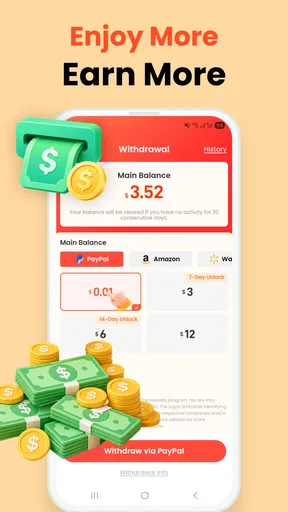
Novelvio may provide points, bonuses, or other rewards for reading and completing selected activities, but it should not be viewed as a guaranteed income source. Earnings can depend on reading progress, promotions, account eligibility, and available redemption options. Before spending significant time in the app, check the current reward requirements, minimum withdrawal threshold, supported payment methods, and any regional restrictions.
Is Novelvio - Read & Earn free to download and use?
The app may be available to download without an upfront charge, although some content, features, or reward opportunities can be limited by advertisements, in-app purchases, or account conditions. Read the store listing and the app’s payment information carefully before subscribing or buying anything. Also remember that mobile data usage, optional purchases, and promotional offers may create costs outside the initial download.
What kind of novels and reading content are available in Novelvio?
Novelvio’s catalog can include serialized fiction and stories across several popular genres, such as romance, fantasy, drama, mystery, or science fiction. Availability may change over time, and not every title or chapter is necessarily accessible in every country. If you have specific preferences, browse the catalog before registering and confirm whether the stories you want are complete, regularly updated, or still being released.
What should I know about privacy, permissions, and account safety?
Before using Novelvio, review its privacy policy and the permissions requested during installation or account creation. Avoid sharing unnecessary personal information, and use a strong password if the service requires one. If rewards involve payment details or identity verification, provide information only through the official app or store-supported channels. You should also check how the app handles reading history, device data, advertising, and account deletion.
